
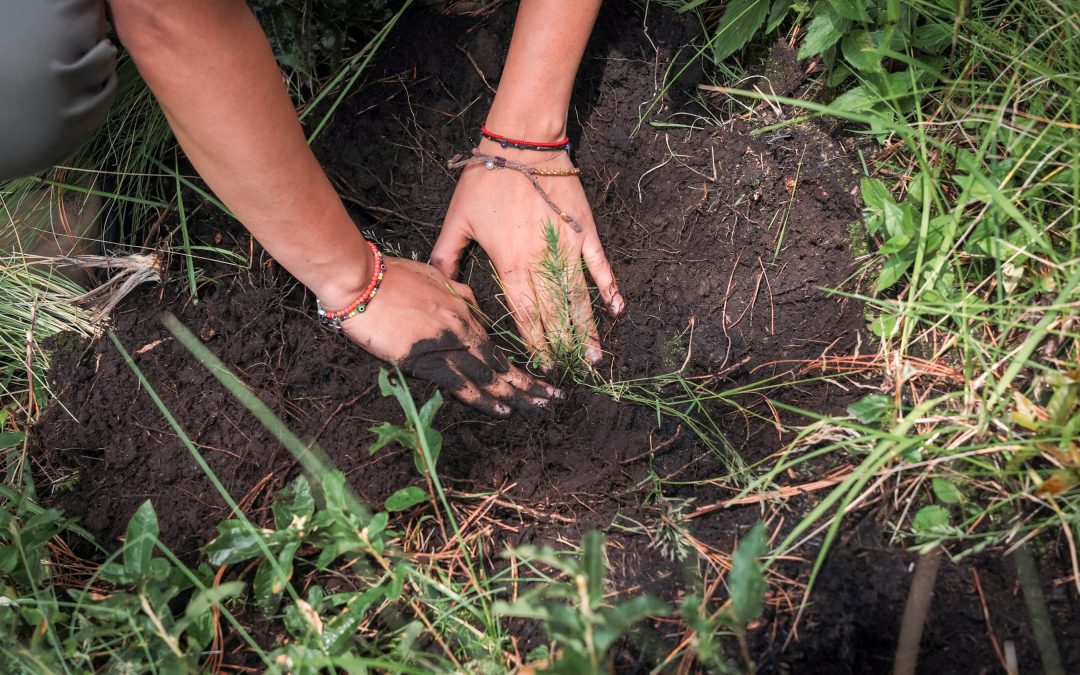
Description: The video showcases a reforestation project in the Viborillas community in Mexico City, where members have planted 20,000 pine trees to conserve water and prevent deforestation. It illustrates how trees collect and naturally filter water into streams, ensuring a supply of drinking water for the community. It also draws attention to environmental challenges such as illegal logging and the need for surveillance.
Teaching ideas: This short video is useful for practicing listening comprehension of diverse regional accents: students can watch it once for general understanding and a second time to identify specific details about the reforestation process, the role of trees in water filtration, and the threats the community faces, such as illegal logging. The temporal structure of the story—the community planted trees in the past and now harvests water—can lead to a discussion of cause and effect, where students use past tenses to narrate what happened and the present to describe the current results. A creative exercise can then ask students to imagine the future of Viborillas and of Mexico City more broadly if this model were scaled up, practicing the conditional and structures for speculation. Finally, students can research and present a similar community-led reforestation or water conservation project from another part of Latin America, producing a short informative poster or oral summary using the gerund to describe ongoing processes (reforestando, conservando, garantizando...).