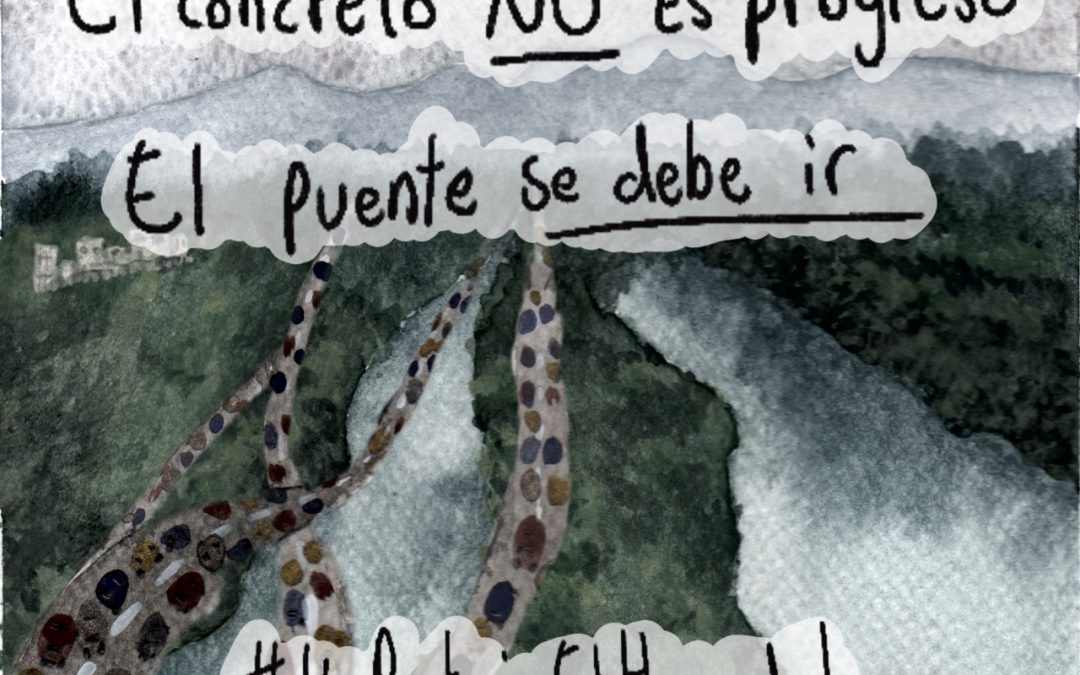
Description: This video documents the struggle of the Coordinación de Pueblos, Barrios Originarios y Colonias de Xochimilco (Coordination of Peoples, Indigenous Neighborhoods, and Colonies of Xochimilco) in defense of the wetland and against violations of environmental and indigenous peoples’ rights by the Mexican state. On 5 April 2024, the organisation filed a complaint with the Inter-American Commission on Human Rights (IACHR) demanding environmental and climate justice. The complaint aims to protect the rights of current and future generations and prevent the construction of a bridge that endangers the Xochimilco wetland ecosystem. Through testimonies and calls to action, the video emphasizes the importance of defending the territory and preserving the wetland as part of Xochimilco’s ecological and cultural balance.
Teaching ideas: The video highlights the close relationship between language, territory and identity in Xochimilco in Mexico City. While Spanish is the predominant language, the presence of Nahuatl words in place names and ecological concepts reflects the enduring influence of a Nahua indigenous worldview. The eco-social relationship between the people and the wetland is expressed through language, in which terms such as chinampa and ahuehuete, for example, reveal traditional knowledge about water management and agriculture. Defending the wetland is not only an environmental struggle, but also a linguistic and cultural one. The disappearance of the wetland would result in the loss of knowledge expressed in the indigenous languages. Taking this into account, students can discuss what role does language play in the resistance and conservation of territories, and how can indigenous terms be recovered and strengthened to describe ecosystems at risk.