
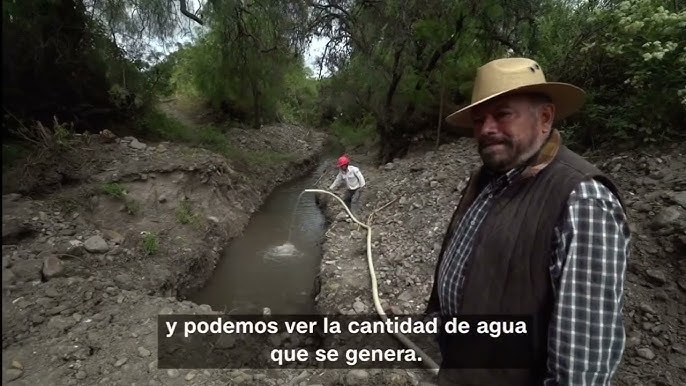
Description: This video explores the ancient technique of water harvesting and storage employed by the Aymara people of the Atacama Desert to ensure water security. By building canals and ditches, the communities enable water to seep into the soil, storing it for use in agriculture and for their livestock. The video features testimonials from residents who have inherited and continue to maintain these ancient practices despite the challenges posed by climate change.
Teaching ideas: Before watching, students can reflect on what they know about the Atacama Desert, which is one of the driest places on earth, and discuss how human communities could have developed sustainable water systems in such an extreme environment. The video’s testimonials span different generations of Aymara community members, which makes it a rich material for exploring how knowledge is transmitted. Students can identify moments where speakers describe what they learned from their elders. A verb tense analysis can then focus on the interplay between the past (accounts of how the canal system was built and inherited), the present (descriptions of how it currently functions), and the conditional or future (projections about the impact of climate change), helping students see how grammar structures time and perspective in narration. Finally, this video pairs naturally with the qochas entry to prompt a comparative discussion about different approaches to water management, with students considering what different technologies share and what makes each one specific to its ecological and cultural context.