
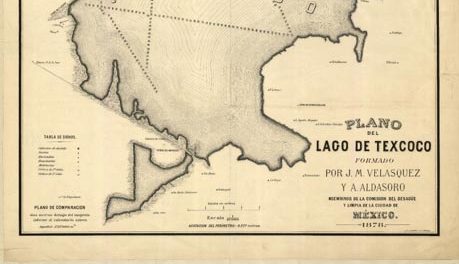
Description: This article outlines the historical process by which the lakes in the Valley of Mexico were dried up, from colonial times to the present, and highlights the environmental and cultural implications of this process.
Teaching ideas: Students can begin by locating the Valley of Mexico on a map and discussing what they already know about Mexico City, Tenochtitlan and its lake environment. The article’s long historical arc—from the colonial drainage projects to the construction of a new international airport—can lead to a timeline activity in which students sequence the key events using past tenses, practicing the distinction between the preterite and the imperfect to narrate historical processes and describe their context. After reading, a group discussion can explore the environmental and cultural consequences of the drainage: who benefited, who was displaced, and what was lost? This is an opportunity to practice expressing cause and effect using connectors. Finally, students can write a short opinion piece responding to the article’s implicit argument about infrastructure, progress, and ecological destruction, using structures for expressing agreement, disagreement, and nuance.