
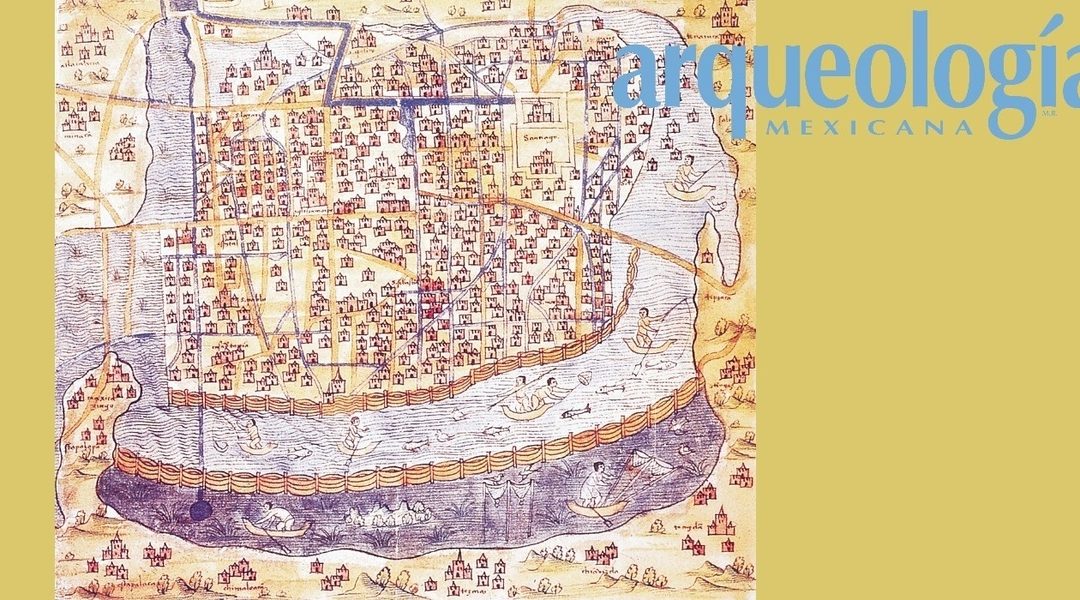
Description: This article explores the history of drainage in the Valley of Mexico from the 16th to the 21st century. It highlights the paradoxes between the objectives of controlling water and the environmental and social problems that have been generated as a result.
Teaching ideas: A good entry point for this material is the linguistic paradox that the author identifies: the fact that the region was called Anáhuac (“land at the edge of the water”) in Nahuatl and yet came to be known in Spanish as a valle, a word that implies drainage and openness. Students can reflect on how naming shapes our relationship with the environment, and brainstorm other examples of place names that encode a particular worldview. The article’s contrast between indigenous and Spanish relationships with water can serve for a comparative reading activity in class: students identify how each group understood and used the lake system, practicing descriptive vocabulary and contrastive connectors. The story of Enrico Martínez and the Nochistongo drainage works can be retold as a narrative exercise, in which students reconstruct the sequence of events using the preterite and the imperfect to distinguish completed actions from their historical context. Finally, students can discuss the article’s closing provocation—that the lakes “resist,” forcing us to imagine other futures for the city—as inspiration for a short writing exercise using the conditional to speculate about alternative approaches to water management.